Gilet Meaning: What a Sleeveless Jacket Is Called
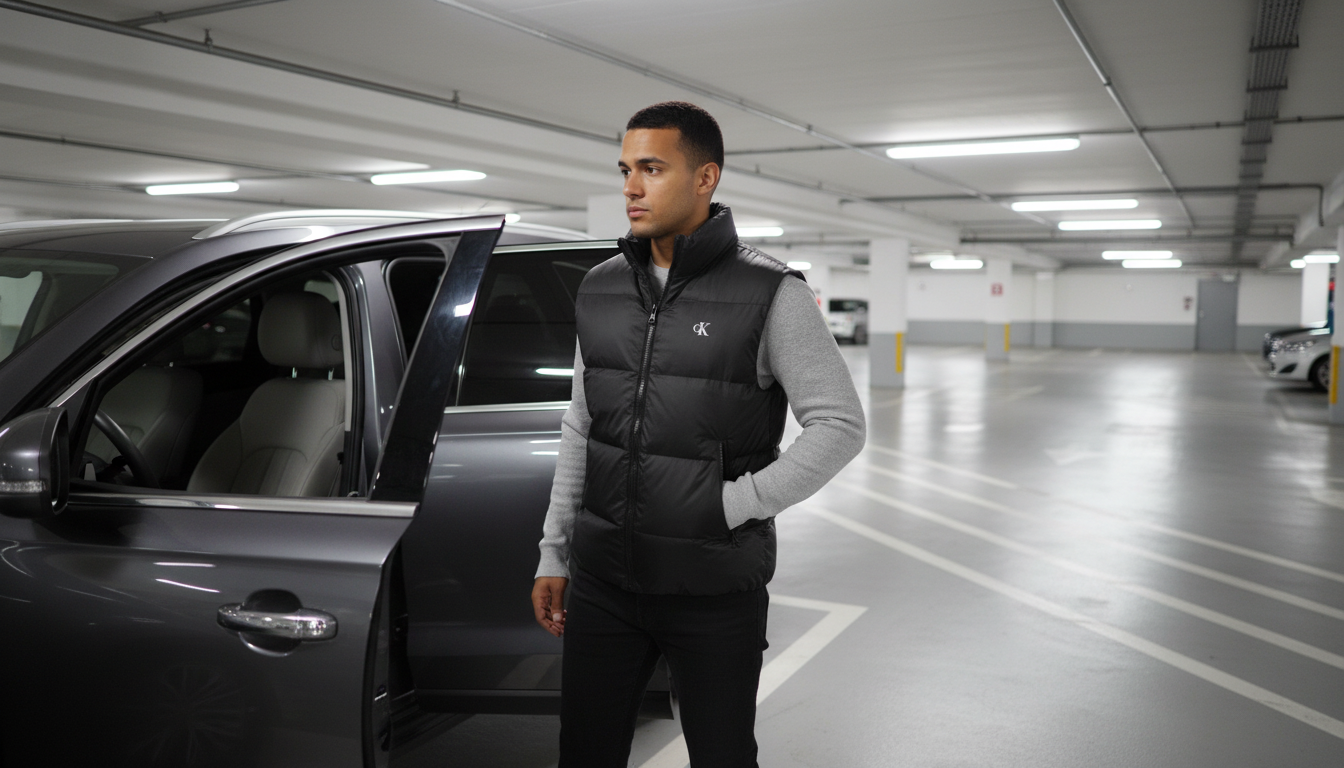
What is a sleeveless jacket called a gilet?
Answer
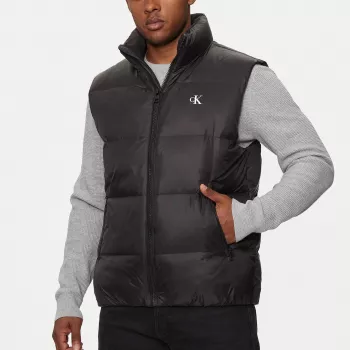
A sleeveless jacket is often called a gilet (pronounced “jee-lay” or “gill-et,” depending on region). In everyday American shopping terms, it’s closest to a vest—a sleeveless outer layer worn over a shirt, sweater, or hoodie to add warmth and structure without the bulk of sleeves.
The word “gilet” is used more frequently in British and European fashion, but you’ll see it on U.S. product pages too—especially for streamlined, modern layering pieces. A gilet can be puffer-style (quilted and insulated), softshell (sleek and weather-resistant), or lightly padded for transitional temperatures. Some are designed as performance layers for outdoor wear, while others are tailored and minimal for city outfits.
How a gilet differs from a standard vest
In practice, “gilet” and “vest” overlap heavily. The difference is usually about styling and labeling rather than function. A gilet often implies a fashion-forward, outerwear piece—typically worn on top of other layers—while “vest” can also refer to suit vests, sweater vests, or utility vests. If it’s insulated, zip-front, and meant to be worn as outerwear, many retailers will comfortably call it a gilet.
Why people wear a gilet
A gilet is a reliable middle layer when a full jacket feels too warm. It keeps your core insulated while leaving your arms free, making it useful for commuting, travel, and casual weekends. It also sharpens an outfit by adding contrast and shape—especially in classic colors like black.
Learn more about easy layering
For a practical example of how this piece fits into a modern wardrobe, see the main guide here: https://bravelle.shop/guide-calvin-klein-mens-black-gilet-easy-layering/.
For Gilet Meaning: What a Sleeveless Jacket Is Called, the best answer depends on fit, material, care instructions, and how the product will be used day to day.
FAQ
What do you wear under a gilet?
Wear a T-shirt or long-sleeve tee for mild weather, or layer a hoodie, flannel, or lightweight sweater when it’s cooler. Choose slimmer layers if the gilet is fitted, and chunkier knits if it’s roomy and insulated.






Leave a comment