Solo Trip Security Plan: Simple Routines & Backups
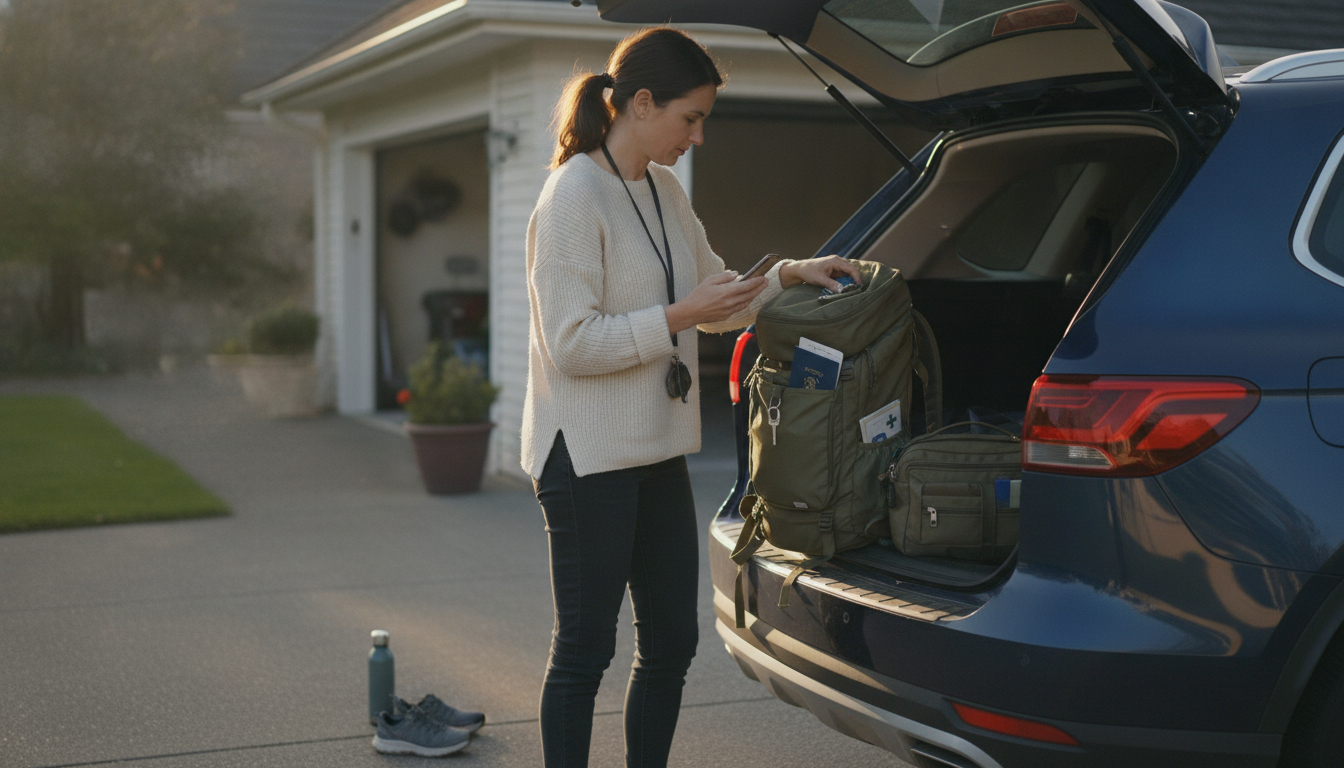
How do you create a travel security plan for a solo trip?
A solid travel security plan for solo travel is a short set of routines and backups that protect your identity, money, devices, and physical safety—without slowing your trip down. Build it once, then reuse it for future destinations.
1) Start with a quick risk snapshot
Write down your destination(s), neighborhoods you’ll stay in, and how you’ll move around (walking, rideshare, public transit, rental car). Check local scams, common theft patterns, and any entry or documentation requirements so you know what problems are most likely.
2) Lock down identity and documents
Carry only what you need each day, and keep the rest secured. Make digital and physical copies of your passport/ID, visas, insurance, and key reservations. Store one copy in an encrypted cloud folder and one offline (printed or on a secure drive) in a separate bag from the originals.
3) Build a money + card backup
Use at least two payment methods (two cards from different networks, plus some cash). Split them across locations (wallet, hidden stash, locked luggage). Save bank contact numbers and set travel notices, transaction alerts, and card-freeze options.
4) Set up device security and recovery
Use a strong passcode, enable biometric unlock, and turn on “Find My” tracking. Back up photos and documents automatically, and note how to remotely lock/wipe your phone. Consider a low-cost backup phone or eSIM plan if your primary line fails.
5) Create a simple communication routine
Choose one trusted person at home and schedule check-ins (for example: daily by 9 p.m. local time). Share a “no-response” escalation plan: when to call you, when to contact your hotel, and when to reach local authorities.
6) Plan safe logistics for lodging and transit
Confirm arrival details, use well-reviewed lodging, and avoid broadcasting your room number or exact plans. For late arrivals, pre-plan your route and have a backup option (alternate hotel, official taxi stand, or pre-booked transfer).
For a deeper, reusable system with checklists and backup plans, see the full guide: Solo Travel Safety Systems: Checklists & Backup Plans.
FAQ
What should you share with someone at home before you travel?
Send your flight and lodging details, a loose daily itinerary, and copies of key documents. Include emergency contacts, insurance info, and the times you plan to check in so someone can act quickly if you go silent.







Leave a comment