Nike Shoes and Cotton: Materials, Mesh vs Canvas

Are Nike shoes made of cotton?
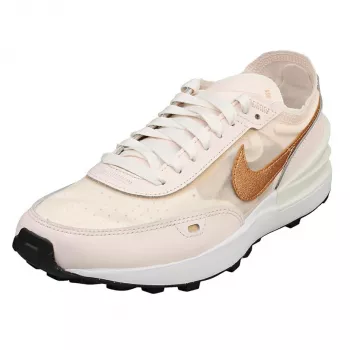
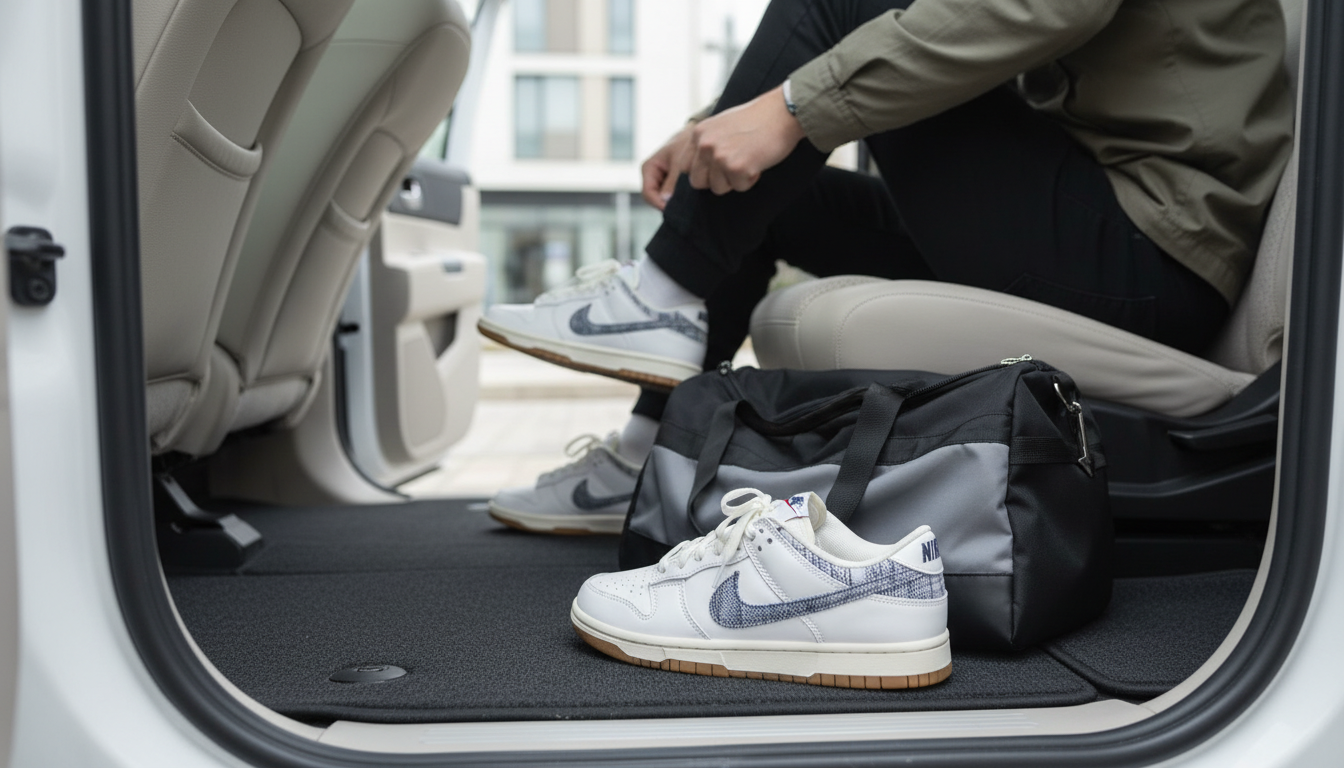
Nike shoes usually are not made primarily of cotton. Most Nike footwear relies on synthetic textiles (like polyester or nylon), engineered mesh, foam midsoles, rubber outsoles, and sometimes leather or suede for structure and durability. Cotton may show up in small ways—such as in certain linings, sockliners, or occasional canvas-style uppers—but it’s not the standard base material for most performance or lifestyle models.
When you might see cotton in Nike shoes
Cotton is most likely to appear when a shoe uses a canvas upper or a cotton-blend fabric for a casual, breathable feel. Some retro or streetwear styles can include canvas panels, and limited releases may experiment with natural fibers. Even then, cotton is typically one component among several, paired with synthetic backing, reinforcements, and rubber to help the shoe hold its shape.
Why cotton isn’t common in performance Nike footwear
Cotton absorbs moisture, dries slowly, and can lose structure when wet—traits that work against running and training needs. Synthetic fibers and engineered knits are lighter, wick better, and are easier to design for targeted stretch, ventilation, and support. That’s why most Nike running and training shoes prioritize synthetics, while cotton is more common in apparel than in footwear construction.
How to confirm what your specific pair is made of
The quickest way is to check the product page or the inside label details for upper material and lining notes. Look for terms like “mesh,” “synthetic,” “textile,” “engineered knit,” “canvas,” “leather,” or “suede.” If you’re shopping for cotton-forward items from Nike, it may be easier to focus on clothing and accessories rather than shoes.
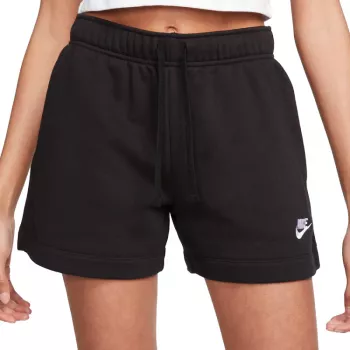
For a related Nike material guide, see this Nike women’s black cotton shorts guide.
FAQ
What materials are Nike shoes usually made from?
Most Nike shoes use a mix of synthetic textiles or engineered mesh for the upper, foam for cushioning, and rubber for traction. Depending on the model, they may also include leather, suede, or synthetic overlays for added support.







Leave a comment