Female Solo Travel Tips: Safety Layers & Smart Backups
What are the best tips for female solo travelers?
Female solo travel can be empowering and smooth with a few practical habits that prioritize awareness, planning, and flexibility. The goal isn’t to feel anxious—it’s to set yourself up with smart defaults so you can enjoy the trip with fewer surprises.
Build safety into your itinerary (without overplanning)
Choose accommodations in well-lit, walkable areas near transit, and arrive in a new city during daylight when possible. Keep your daily plan simple: one or two “must-dos,” plus time buffers so you’re not rushing or navigating unfamiliar streets late at night.
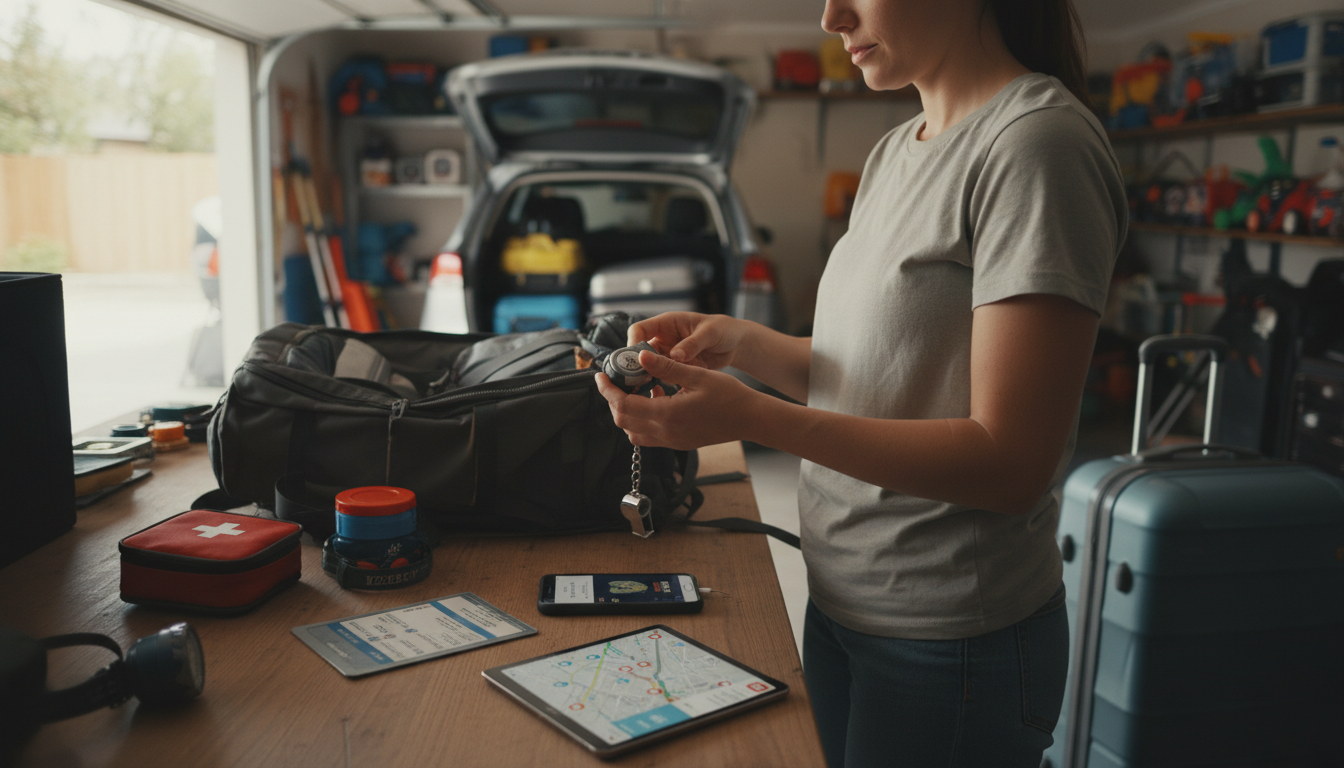
Use a “layers” approach to personal security
Rely on more than one method to stay safe. Share your itinerary with a trusted contact, enable location sharing when it makes sense, and set regular check-in times. Keep a backup plan for getting back to your lodging (alternate route, rideshare option, local taxi number) in case your first choice falls through.
Protect your essentials with redundancies
Split critical items so one loss doesn’t derail your trip: carry one card on you, store another separately, and keep a small amount of emergency cash in a different spot. Save digital copies of your passport/ID and travel insurance, and store them offline too. If you want a step-by-step system, use the checklists and backup-plan framework in this guide: Solo travel safety systems, checklists, and backup plans.
Blend confidence with boundaries
Walk with purpose, keep your phone use minimal while navigating, and trust your instincts if a situation feels off. Practice a polite but firm “no,” and avoid oversharing details like where you’re staying or your exact plans with strangers, even if they seem friendly.
Make tech work for you
Use a passcode on your phone, turn on “find my device,” and keep your battery topped up with a power bank. Download offline maps, your hotel address in the local language, and key transport apps before you arrive.
FAQ
How can I make a backup plan for solo travel emergencies?
Write down your “Plan B” for lodging, transportation, and money: an alternate place to stay, at least two ways to get back safely, and a spare payment method stored separately. Share your key details with a trusted person and keep important documents accessible offline.







Leave a comment