Talk & Connect: 5-Minute Parent-Child Check-Ins

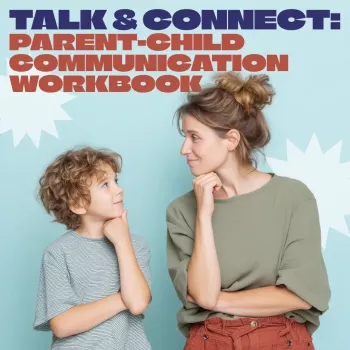
Talk & Connect: A Parent-Child Communication Workbook for Stronger Family Bonds
Busy schedules, big feelings, and growing independence can make family conversations feel rushed or tense. A guided workbook adds a calmer structure for talking, listening, and reconnecting—without turning every chat into a lecture. With the right routine and a few simple pages, families can build trust, expand emotional vocabulary, and get better at repairing conflict when it happens.
Why communication breaks down at home (and how structure helps)
Most parent-child friction doesn’t come from “bad attitudes”—it comes from predictable pressure points. Mornings and after-school transitions are rushed, bedtime can spark power struggles, screens compete for attention, and sibling conflict can derail everyone’s mood. On top of that, many kids default to “fine” answers because they’re tired, unsure how to explain what they feel, or worried they’ll get a lecture.
Structure helps because it reduces defensiveness. A set time, a short format, and agreed-upon rules (one speaker at a time, no interrupting, no sarcasm) create psychological safety. Predictability also lowers the stakes: your child doesn’t have to wonder when a conversation will turn into consequences or criticism.
Guided questions work especially well because they lower pressure and offer choices. Instead of “Talk to me,” a workbook can offer, “Pick one: something that felt hard, something that felt unfair, or something you’re proud of.” That small shift makes it easier to name feelings. A “connection first” approach also matters: reflect what you heard, validate effort, and save problem-solving for later. When kids feel understood, they’re far more open to coaching.
What a good parent-child communication workbook includes
The most useful workbooks are flexible enough to meet your family on a good day or a rough one. Look for a mix of light conversation starters and deeper reflection, so you can match your child’s energy instead of forcing a big talk when they’re shut down.
Strong options also include emotional vocabulary support—feelings lists, intensity scales, and body cues—so “mad” can become “frustrated,” “embarrassed,” or “left out.” Short, repeatable exercises are key: quick check-ins, gratitude, repair scripts, and simple goal-setting that fit into 5–15 minutes.
Equally important: pages for both parent and child. When only the child writes, it can feel like being evaluated. When both write (or both answer), it feels more like teamwork. Finally, practical guidance for tricky moments—shutdowns, anger, anxiety, lying, and conflict repair—keeps you from improvising when emotions are high.
Quick check: choosing the right workbook for your family
| Feature | Why it matters | Best for |
|---|---|---|
| Tiered prompts (easy → deeper) | Prevents forced talks and builds trust gradually | Families restarting connection after conflict |
| Feelings tools (charts, scales, body cues) | Turns vague emotions into clearer needs | Kids who say “I don’t know” or melt down quickly |
| Repair and apology scripts | Teaches accountability without shame | Homes with frequent arguments or sibling tension |
| Short daily/weekly routines | Consistency matters more than long sessions | Busy families and working parents |
| Space for child-led reflection | Gives kids agency and reduces power struggles | Tweens/teens who resist direct questioning |
How to use a communication workbook without making it feel like homework
Start with a tiny baseline you can keep even on chaotic days: 5 minutes, 3 questions, or one page. Stopping while it still feels doable builds momentum—and avoids the “Ugh, not this again” reaction.
Make it part of something you already do: after dinner, on the drive to practice, at bedtime, or during weekend breakfast. Routines reduce negotiation. To boost buy-in, offer choices: “Do you want to talk first or write first?” or “Pick one of these prompts.” Autonomy turns the workbook from a parent tool into a shared tool.
Conversation starters that build emotional connection
For evidence-based parenting guidance that supports calm, consistent communication, see resources from the American Academy of Pediatrics and the CDC’s Essentials for Parenting.
Handling tough moments: shutdowns, anger, and conflict repair
Over time, track patterns: which times of day, topics, or transitions trigger conflict? Planning a proactive check-in before the hard moment (like before homework or before leaving a friend’s house) often reduces blowups. For more on building resilience through supportive relationships, the American Psychological Association offers helpful guidance.
Talk & Connect workbook: a simple way to build stronger family bonds
If a clear framework would make communication feel easier at home, Talk & Connect: Parent-Child Communication Workbook is designed to support positive parenting with guided questions and reflection pages for both parent and child. It’s especially useful for creating consistent check-ins that strengthen trust and emotional connection over time—without requiring long sit-down talks.
Bonus: a few comfort-friendly picks for calm check-ins
- Calvin Klein Men’s Classic Cotton T-Shirt
- Calvin Klein Jeans Men’s Blue Cotton Plain Jeans
- Calvin Klein Women’s Large Black Handbag
FAQ
What age is a parent-child communication workbook best for?
Most families can adapt a workbook to the child in front of them: younger kids do best with short, concrete choices and drawing, while older kids and teens often prefer more autonomy and optional written reflection. Choose based on reading level and attention span rather than a strict age label.
How often should families use conversation prompts to see a difference?
Consistency matters more than duration: 5–10 minutes a few times a week is often enough to notice progress. Improvements usually show up as faster repair after conflict, fewer escalations, and more voluntary sharing over time.
What if my child refuses to talk?
Offer choices and lower the pressure—writing, drawing, or using a simple scale (1–10) can feel safer than direct questions. Use indirect moments like car rides, validate their feelings, and focus on connection first so talking doesn’t feel like an interrogation.











Leave a comment