Nike Women’s Shorts Guide: Fit, Fabric, Inseam Tips

Nike Women’s Shorts: Fit, Fabric, and Styling for Training and Everyday Wear
Nike women’s shorts cover a wide range of cuts and fabrics—from lightweight woven pairs for running to supportive knits for training. The right choice depends on movement, coverage, rise, and how the fabric manages sweat and heat. Use the guide below to match a short style to workouts, weekends, and warm-weather travel. For more guidance, see NIKE WOMENS TEMPO SHORT | Texan Outfitters.
What to Look for Before Buying
- Purpose first: Running-focused shorts prioritize airflow and bounce control; training shorts prioritize stretch and stability; lifestyle pairs lean into comfort and styling.
- Rise and waistband: Mid-rise tends to feel balanced for most activities; higher rises can feel more secure during squats and bending; drawcords help fine-tune fit.
- Inseam and coverage: Shorter inseams maximize mobility; longer inseams reduce chafing and offer more coverage for cycling, gym sessions, or walking.
- Fabric feel: Woven fabrics are crisp and breathable; knit fabrics feel softer and more compressive; mesh panels add ventilation in heat.
- Liner or no liner: Built-in liners can reduce friction and improve support, while unlined shorts make layering easier and can feel cooler.
- Pockets: Secure pockets matter for keys/cards; side pockets are convenient for phones; zip pockets help prevent loss during runs.
Quick Guide to Common Nike Women’s Short Styles
| Style type | Best for | Typical feel | Coverage notes | Pocket tips |
|---|---|---|---|---|
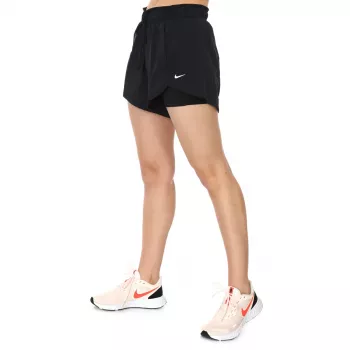
| Woven running shorts | Running, hot weather cardio | Light, airy, fast-drying | Often shorter with side vents | Look for a zip pocket for keys |
| Knit training shorts | Gym, HIIT, lifting | Stretchy, supportive | More stable coverage during movement | Side pockets can fit a phone |
| Bike shorts (longer inseam) | Cycling, walking, studio workouts | Snug, compressive | Helps reduce thigh chafe | Deep side pockets are most practical |
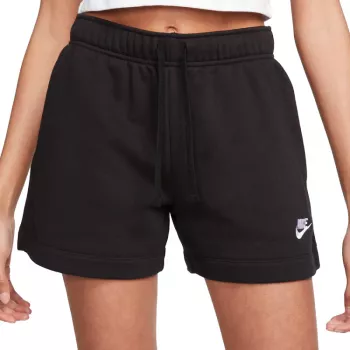
| Fleece/cotton-blend shorts | Lounging, errands, travel | Soft, cozy, less technical | Relaxed fit varies by model | Hand pockets are common; fewer secure options |
Fit and Sizing: Getting the Right Feel at the Waist and Thigh
Fit can make the same pair feel “barely there” or distracting—especially once you start moving. A good check is how the waistband behaves during a squat and whether the hems stay put on a high-knee. For further reading, see NIKE WOMENS ATTACK SHORTS – Bookstore.
- Waist fit: A snug waistband should stay in place without digging; if it rolls during movement, consider a higher rise or a more structured waistband.
- Hip and thigh room: Runners may prefer more swing room; strength training often benefits from a closer fit to prevent fabric bunching.
- Chafing check: For longer sessions, prioritize smooth seams, a stable hem, and enough inseam to prevent inner-thigh rubbing.
- Try-move test: Simulate a squat, lunge, and high-knee; ensure the hem doesn’t ride up and the waistband doesn’t slip.
- Layering: If shorts will be worn over tights or base layers, size for comfortable layering and avoid overly tight woven shells.
Before ordering, it helps to confirm measurements using an official chart like Nike Size Charts, then decide if you want a close-to-body training fit or a looser running shell.
Fabric and Comfort in Heat: Breathability, Sweat Control, and Stretch
When temps climb, fabric choice matters as much as the cut. The most comfortable shorts are the ones that release heat, dry quickly, and move with you without turning clingy.
- Breathability: Lighter fabrics and mesh zones help release heat; darker colors can feel warmer in direct sun depending on fabric weight.
- Sweat management: Quick-drying technical fabrics help reduce cling and discomfort after intense workouts.
- Stretch and recovery: Look for fabric that stretches easily and returns to shape, especially for training and all-day wear.
- Seams and finishing: Flat seams and smooth waistbands help prevent irritation; raw hems can feel less bulky but may curl on some builds.
- Care habits: Washing in cold water and avoiding high heat drying can help preserve elasticity and color over time.
For chafe-prone days (long walks, travel, or humid runs), the American Academy of Dermatology Association offers practical prevention tips here: Preventing Chafing.
One Short, Multiple Outfits: Easy Ways to Wear Black Nike Shorts
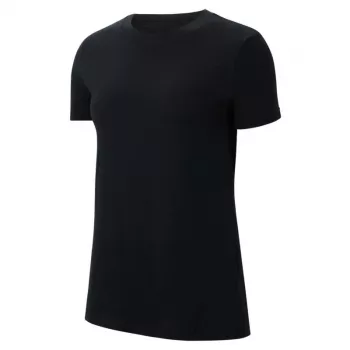
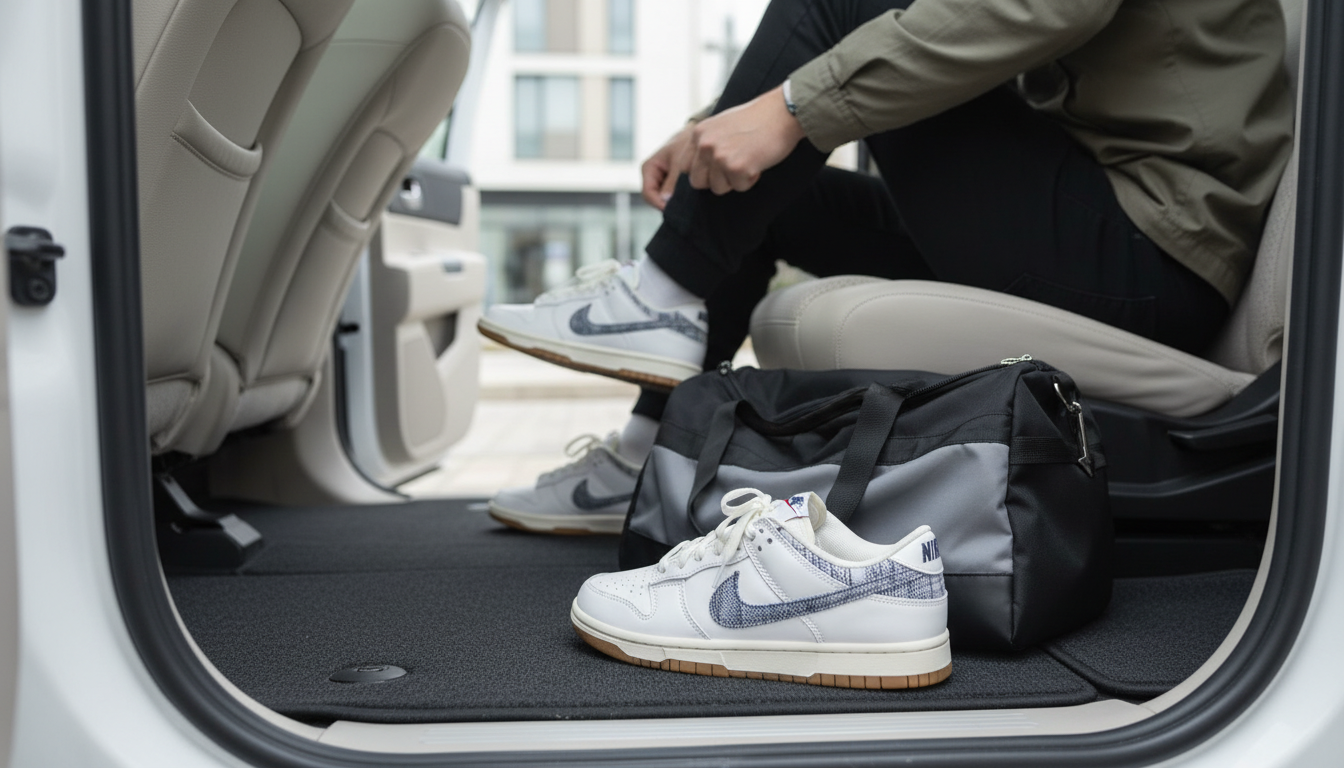
Black shorts are a repeat-wear staple because they’re easy to style and don’t demand a matching top. The goal is to switch your top layer and footwear to match the moment—workout, coffee run, or flight day.
For an easy airport-to-weekend combo, a structured bag can elevate the look while keeping essentials handy—like the Calvin Klein Women’s Large Black Handbag.
Featured Pick: Nike Women’s Black Shorts
Shop the featured option here: Nike Women’s Black Shorts.
Care and Longevity: Keeping Shorts Looking and Feeling New
If you’re refreshing multiple items, Nike also shares general cleaning guidance that’s helpful for athletic gear care routines: Nike Product Care and Cleaning Tips.
FAQ
What inseam length is best for training versus running?
Shorter inseams often feel cooler and less restrictive for running, especially in heat. For training and lifting, mid-to-longer inseams can feel more secure and help reduce chafing; a quick squat-and-lunge test usually makes the best length obvious.
Do Nike women’s shorts run true to size?
Many styles fit true to size, but it’s best to match your waist and hip measurements to the brand chart. Compressive knit shorts can feel snug, while woven running shorts may feel roomier—so choose sizing based on whether you want a locked-in fit or easier airflow and layering.
How can chafing be prevented when wearing shorts in hot weather?
Choose a stable hem, smooth seams, and an inseam long enough to limit inner-thigh rubbing, and prioritize quick-drying fabrics that don’t stay damp. Anti-chafe balm can help on longer days, and a waistband that doesn’t slide reduces friction from constant readjusting.






Leave a comment